

Short answer: the fairest way to compare Indian and international sneaker brands is by criteria, not by flag: materials, build, fit, design identity and price. Some Indian labels are strong on leather and design for the price, and international labels bring decades of scale and testing. This guide gives you the questions to ask of any brand and shows how our homegrown labels answer them, using only what their product pages say.
Why compare by criteria instead of by country?
"Indian versus international" is a weak question, because brands in both groups vary widely. A better question is what you need from a pair, and which brand serves it. We sell homegrown Indian labels, so we are not neutral, and we say so openly. We also avoid making claims about any global brand, since we do not stock them and cannot test them. What we can do is show how to compare and let you decide.
How do materials compare?
Ask three things: what is the upper made of, what is the lining made of, and where does the material come from? Many Indian labels state this clearly on their pages. Examples from our store:
- ZEESH Cognac, at ₹4,799: Nappa leather with a leather lining.
- Unlabel Cobalt Blue, at ₹8,999: TR1 Argentinian full-grain leather.
- DMODOT Fresco Noir, at ₹6,299: full-grain Argentinian leather.
- Gully Number 002 Victory Blue, at ₹5,990: suede leather with a bamboo lycra lining.
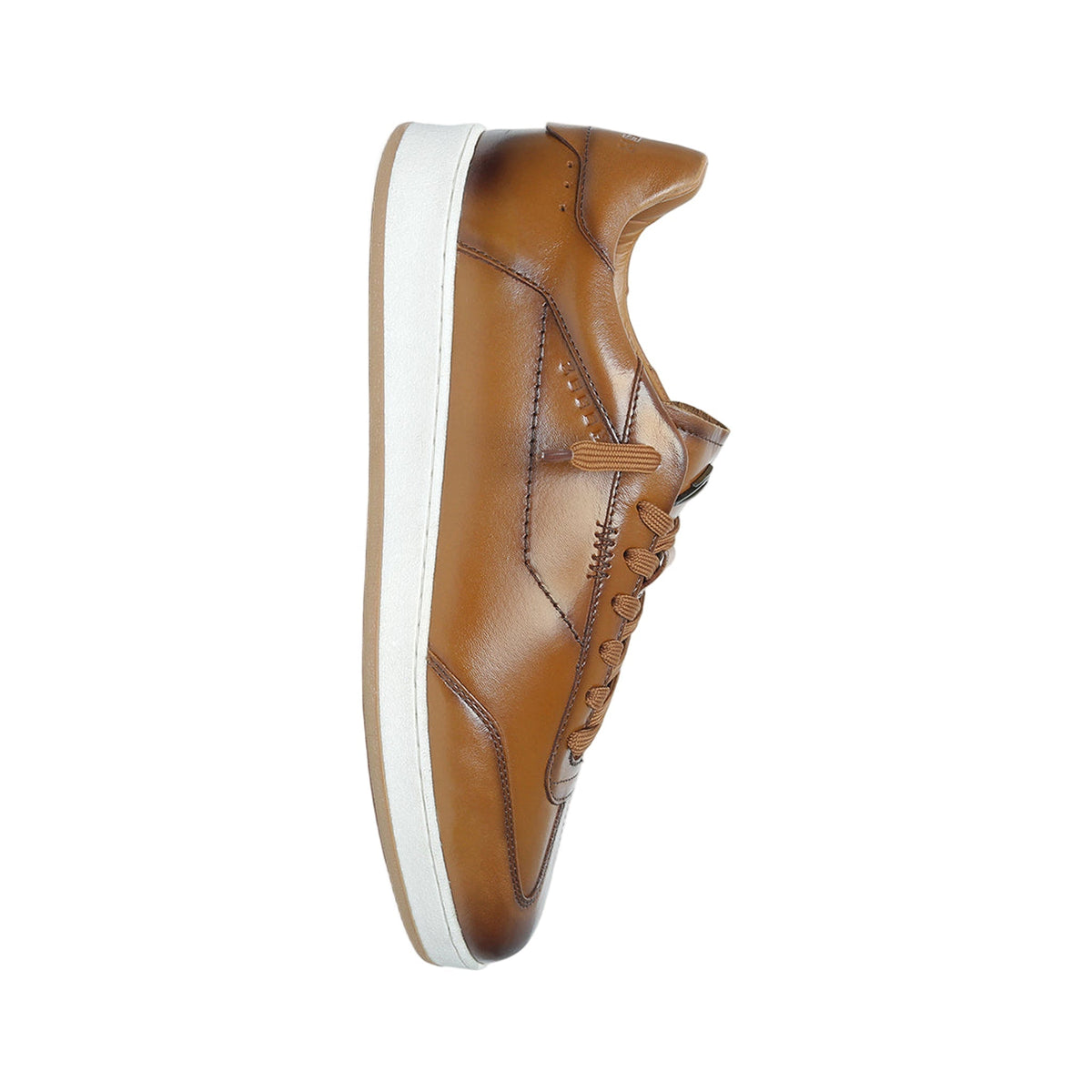
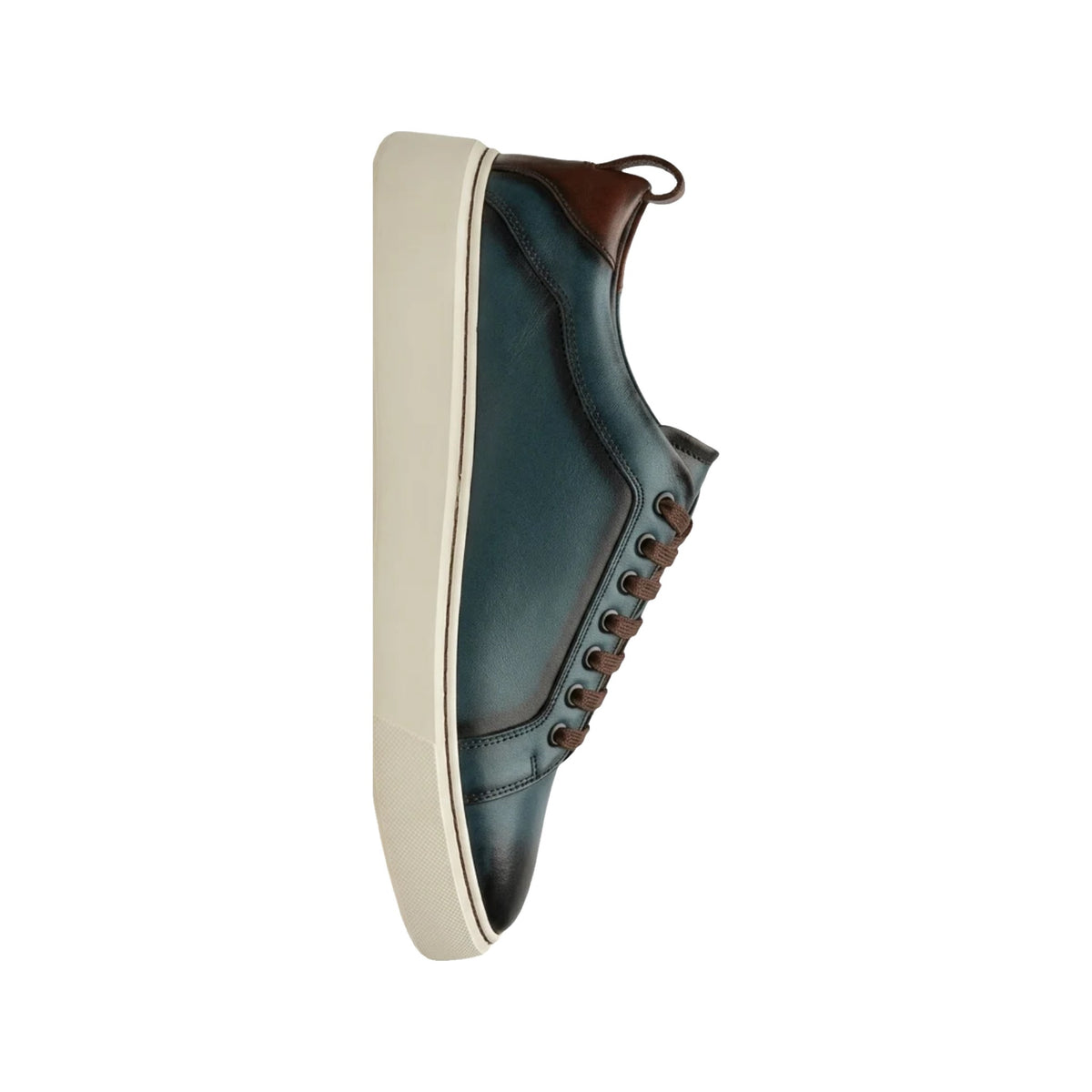
Whichever brand you consider, look for this level of detail. A page that tells you the leather type and lining is easier to trust than one that says only "premium".
How do you judge build quality?
Build is what you see in stitching, sole attachment, edge finishing and how the pair holds its shape. A product page cannot fully show it, which is why we publish teardowns, where we cut a pair apart and look inside. For a clearly labelled example of the method only, here is how we scored one budget pair, Red Tape, at ₹700: Materials 4/10, Build 4/10, Comfort 5/10, Value 7/10. That example is not a ranking of Indian brands, and it is not a comparison with any global brand. For the pairs in this guide, see our teardown on Instagram and YouTube
How do you compare fit and sizing?
Sizing is where buyers are most often surprised, whatever the brand. Our Gully Labs pages say it directly: homegrown lasts can fit differently to global brands, so check the size guide on the page. Practical steps are the same for every brand: measure your foot, read the size chart, and check whether the label sizes in UK, US or EU. If you are between sizes, write to care@mission91.in and we will help. Our men's sizes run UK 6 to 11 for most labels, and Gully Labs goes up to UK 13 on selected pairs.
How do you compare design identity?
This is where Indian labels often make their strongest case. Gully Labs designs draw on Indian craft, culture and memory, with Phulkari-inspired patterns and mojari-inspired toe details. Unlabel focuses on hand-painted leather and quiet branding. ZEESH leans into football and motorsport themes. CHNKS makes colour-led, easy pairs. A sneaker with a local story can feel more personal than a global design worn by millions, though that is a matter of taste.
How do you compare price?
Compare cost per wear, not only the tag. A pair worn two hundred times at ₹5,000 costs less per wear than a pair worn twenty times at ₹2,500. Our price bands run roughly as follows, and each should be checked on the page:
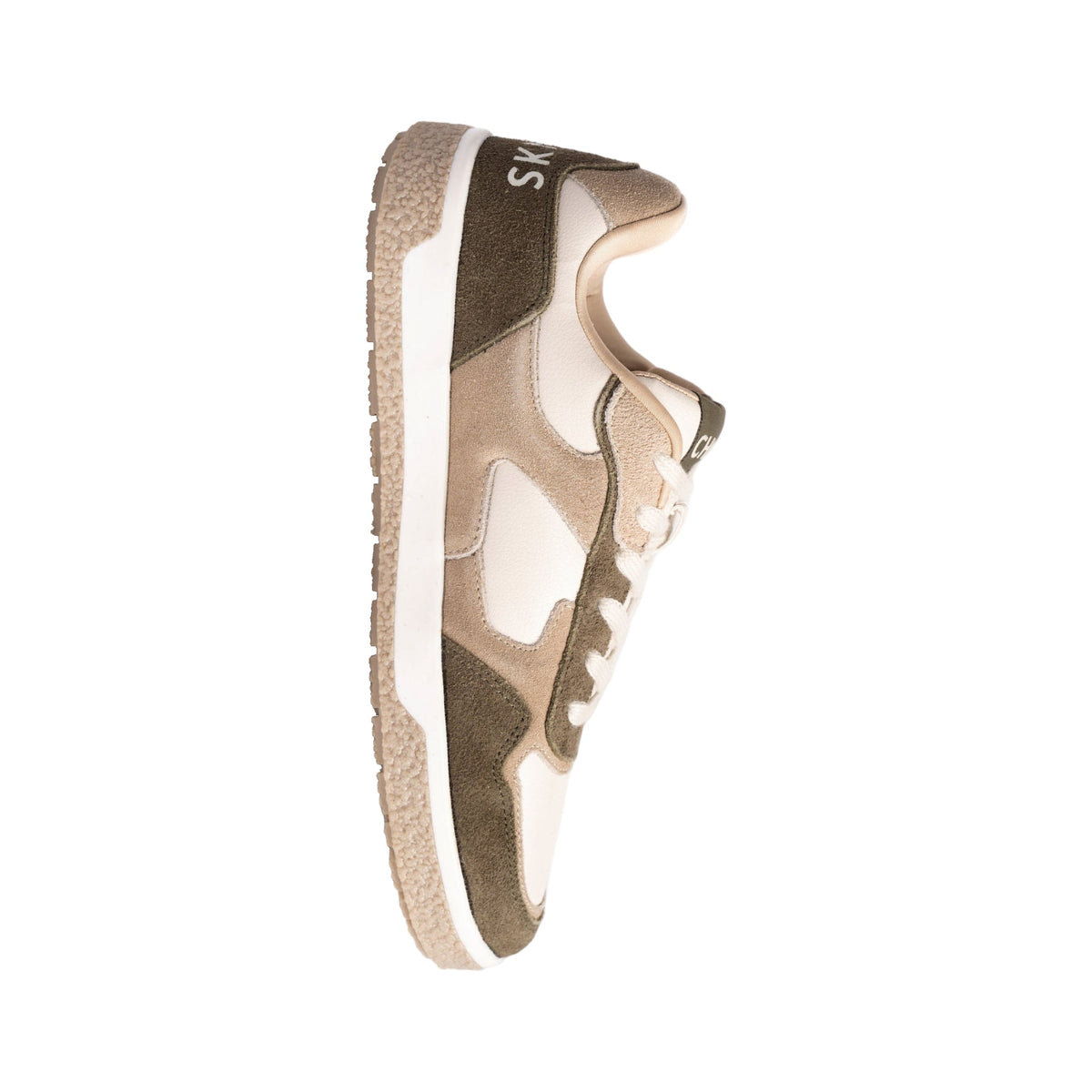
- CHNKS: from ₹2,129.
- Gully Labs: from ₹2,990.
- ZEESH: from ₹3,800.
- DMODOT: from ₹2,499.
- Unlabel: from ₹8,000.
- Drifbolt (3D-printed): from ₹6,490.

What do international brands do well?
It is fair to say that large global brands bring wide size runs, long histories, heavy investment in research and a retail network that is easy to reach. Those are real advantages, and many people are happy with them. We do not make claims about specific models. If your priority is a single trusted performance shoe for sport, a global brand may suit you. If your priority is design with character, leather and a story at a considered price, a homegrown label may suit you better.
What do Indian brands offer that is different?
They offer a point of view. They are smaller, so they tend to experiment with materials such as 3D printing at Drifbolt or hand-painted leather at Unlabel. They also use linings chosen for breathability, such as the bamboo lycra and terry towel linings on Gully Labs pages, and they give Indian craft and design talent a platform. You can read about the labels on our brands page and in our guide to the best Indian homegrown sneaker brands in 2026.
Where do newer Indian labels still have work to do?
A fair comparison goes both ways. Smaller labels usually have narrower size runs, shorter histories and fewer physical stores, so you may not be able to try a pair before you buy. Some pairs are made on order, which means you should read the product page for how that works. Several of our favourite pairs sell out, and limited runs, such as the Unlabel Burgundy Beast (limited to 99 pairs), can sell out. Those are trade-offs, and we would rather you know them upfront. Our policy pages, linked below, explain how orders are handled.
Which label suits which kind of buyer?
- You want easy, colourful everyday pairs: CHNKS.
- You want a story and a retro look: Gully Labs.
- You want leather with a bold look: ZEESH.
- You want a smart, office-ready pair: DMODOT.
- You want quiet luxury: Unlabel.
- You want something technical and new: Drifbolt, whose pairs are 3D-printed.
What is a sensible way to test a new brand?
Start with one pair at a price you are comfortable with, wear it for a few weeks, and note how it ages. Check the sole, the lining and the stitching after a month. Compare that with a pair you already own, from any brand. This approach works with Indian and international labels alike, and it gives you your own evidence instead of someone else's opinion.
How can you decide for yourself?
- Write down your use: daily walking, office, travel or occasion.
- Set a budget band: use cost per wear.
- Read the materials and care lines: reject vague descriptions.
- Check size notes: and measure.
- Look for teardown or detail: from any brand, not only ours.
Read next: Indian Alternatives to Adidas Sneakers: Retro and Football-Inspired Pairs and Indian Alternatives to Nike Sneakers: Pairs to Consider. If you are shopping, browse all our sneakers.
Frequently asked questions
Are Indian sneaker brands as good as international brands?
It depends on the brand and on what you need. We recommend judging each pair by materials, build, fit, design and price rather than by country.
Do you sell international brands?
No. Our store lists homegrown Indian labels: Gully Labs, SHOEGR, ZEESH, DMODOT, CHNKS, Unlabel and Drifbolt.
Do Indian sneakers fit differently?
Our Gully Labs pages note that homegrown lasts can fit differently to global brands, so use the size guide.
Why are some Indian sneakers priced high?
Leather type, hand finishing and small runs can affect price. Read the product page for the materials used.
What are your delivery and return terms?
Please read our shipping policy and refund policy.
See the labels side by side: explore our top picks.
0 comments